
Low Testosterone in Men: Symptoms, Tests and Treatment
 Medically reviewed by: Prof. Dr. Yasser BadranProfessor of Urology & Andrology — Al-Azhar UniversityLast updated: 20 November 2026Reading time: 8 min
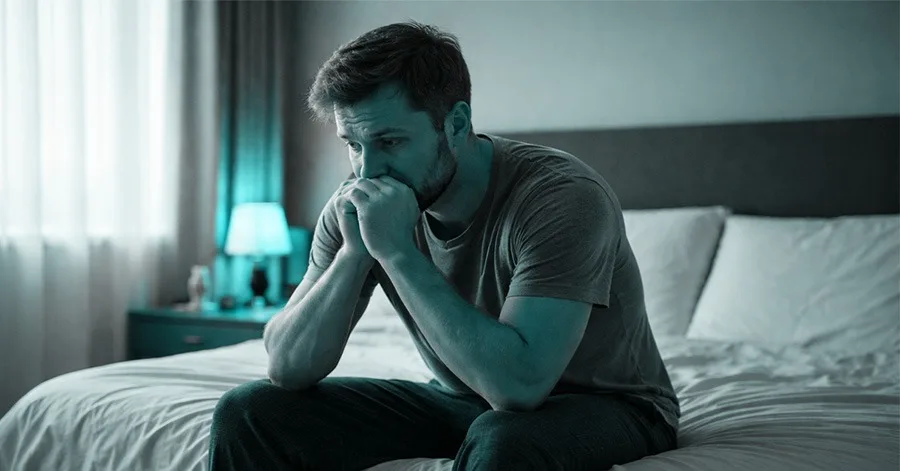
Some men notice that their sexual desire has dropped, that they feel tired most of the day, and that their erections are not what they used to be. So a man asks himself: is this low testosterone? Do I need hormone injections? And what if I want to have children? Many young men also hear about low testosterone in young men and worry that they may have it without knowing.
Prof. Dr. Yasser Badran, Professor of Urology & Andrology at the Faculty of Medicine, Al-Azhar University, explains that diagnosing low testosterone does not rely on symptoms alone or on a single test, and that hormone therapy is not the first step for every man who feels tired. In this article, we explain the symptoms of low testosterone, its causes, the correct way to test for it, the treatment options, and when testosterone therapy is not suitable for you.
What is the male hormone, and why does it matter?
The male hormone, testosterone, is the main hormone in men. It is produced by the testicles on instructions from the pituitary gland in the brain, through two hormones called LH and FSH. Testosterone affects sexual desire (libido), muscle and bone strength, energy and mood, and the production of red blood cells, and together with FSH it takes part in producing sperm inside the testicle.
In many men, the hormone level falls gradually and slowly with age, but this mild decline does not necessarily mean there is a disease that needs treatment. Low testosterone as a medical diagnosis means a decrease confirmed by testing, together with clear symptoms.
Symptoms of low testosterone in men:
Symptoms usually appear gradually. The most common include:
- Low sexual desire, one of the symptoms most closely linked to low testosterone.
- Erectile dysfunction or difficulty maintaining an erection.
- Fewer or absent morning erections.
- Persistent tiredness and low energy.
- Mood changes, feeling down, irritability, or poor concentration.
- Loss of muscle mass and physical strength, with more fat, especially around the belly.
- Sometimes mild breast enlargement, less body hair, or smaller testicles in more obvious cases.
But keep in mind that these symptoms are not specific to low testosterone. Tiredness and low desire can be caused by poor sleep, depression, diabetes, or thyroid disease. That is why a man should not diagnose himself from symptoms alone. You can read more about what absent morning erections mean and when they are a sign that needs checking.
Can low testosterone happen in young men?
Yes, it can happen at a young age, although it is less common than in older men. In young men, the cause is usually one of these:
- Using steroids and hormones at the gym to build muscle.
- Severe obesity.
- A testicular problem present from birth or childhood, such as an undescended testicle, or certain genetic conditions such as Klinefelter syndrome.
- A pituitary gland problem, such as high prolactin.
So a young man with clear symptoms needs an evaluation to find the cause, not to start hormones on his own.
Causes of low testosterone:
First: Causes in the testicle itself
- A previous injury or inflammation of the testicle, such as orchitis after mumps.
- Undescended testicle.
- Chemotherapy or radiotherapy, or removal of a testicle.
- Certain genetic conditions.
Second: Causes in the brain and pituitary gland
- Pituitary tumors or disorders, and high prolactin.
- Taking anabolic steroids or external testosterone, because it switches off the signals from the brain to the testicle.
- Some medicines, such as long-term opioid painkillers and long-term high-dose cortisone.
Third: General and common causes
- Aging.
- Obesity, especially belly fat.
- Type 2 diabetes.
- Chronic illnesses, such as kidney and liver disease, and sleep apnea.
Obesity in particular is one of the most important causes that can be improved, and in many men the hormone level may rise after losing weight. Read about the effect of obesity on erections.
If you have low desire and persistent tiredness along with one of these causes, do not ignore it. Consult Dr. Yasser Badran to find the cause before you start any treatment.
How is testosterone tested correctly?
Many men have a single test at any time of day and then start treatment based on it, which is a common mistake. The hormone level changes during the day and is highest in the morning, and it is also affected by acute illness and lack of sleep. Medical guidelines, such as those of the American Urological Association, recommend the following:
- Measuring total testosterone in the early morning.
- Repeating the test on another morning before confirming the diagnosis, preferably in the same laboratory.
- Once low testosterone is confirmed, testing LH and FSH to find out whether the problem is in the testicle or in the pituitary gland.
- Testing prolactin when needed, especially if testosterone is very low, or if LH is low or normal while testosterone is low.
The American Urological Association considers a total testosterone level below 300 ng/dL as supporting the diagnosis, provided there are symptoms along with the test result. The doctor may also request other tests depending on the case, such as a blood count, blood sugar, thyroid function, and a semen analysis if the man wants to have children.
What are the treatment options for low testosterone?
1. Lifestyle changes first
Losing excess weight, exercising regularly, getting enough sleep, controlling blood sugar, and quitting smoking are all steps that may improve hormone levels and symptoms in many men. You will find detailed natural ways to do this in the article ways to raise testosterone.
2. Treating the cause
Such as treating high prolactin, adjusting a medicine that affects the hormone after consulting the prescribing doctor, or stopping steroids under medical supervision.
3. Testosterone replacement therapy
It is used only when low testosterone is confirmed by repeated testing together with symptoms, and after ruling out contraindications. Available forms include:
- Gel applied to the skin daily.
- Intramuscular injections, with the interval between doses depending on the type.
The doctor chooses the suitable form for each case. When using the gel, care is needed so that the application site does not touch the wife or children before it dries or is washed.
Important warning: testosterone therapy and fertility
Many men do not know this point. Testosterone taken from outside the body, whether gel or injections, signals the brain that there is enough hormone, so the release of LH and FSH falls, and as a result sperm production drops, and sperm may even disappear from the semen.
That is why testosterone therapy is not recommended for a man who wants to have children now or soon, and there are other alternatives the doctor can decide on in this case. Dr. Yasser Badran stresses that any man thinking about having children should tell his doctor before starting any hormone treatment. For more, read about male infertility.
What follow-up is needed during hormone therapy?
Testosterone therapy needs regular follow-up with the doctor, which usually includes:
- Measuring testosterone to make sure it is in the target range.
- Measuring hematocrit, because the hormone may raise the red blood cell count and thicken the blood.
- Measuring prostate-specific antigen (PSA) before starting treatment in men over forty, then monitoring it during treatment.
- Assessing symptoms to see whether the man has benefited from treatment.
If symptoms do not improve after a reasonable period even though the hormone has reached a normal level, another cause for the symptoms should be looked for.
Gym steroids: a real danger to hormones and fertility
Some young men turn to hormone injections and anabolic steroids to build muscle quickly, without knowing their effects. These substances may cause:
- Shutdown of natural hormone production by the testicle and shrinking of the testicles.
- A severe drop in sperm or no sperm at all.
- Low testosterone, low desire and erectile problems after stopping them, which may last for months.
- Breast enlargement, acne, high blood pressure, and harm to the heart and liver.
Recovery after stopping varies from person to person and may need treatment and follow-up. Stopping suddenly or taking other medicines on your own without a medical evaluation is not advised.
When should you see a doctor soon?
- Low desire and erectile problems together with persistent headache or vision problems, as these may point to a pituitary problem.
- A lump or swelling in the testicle.
- Breast enlargement that is growing or painful.
- Delay in having children together with symptoms of low testosterone.
During hormone therapy, go to the emergency department immediately if you have chest pain, shortness of breath, swelling and pain in one leg, or sudden weakness on one side of the body.
Low desire and tiredness, and not sure why?
Do not start hormones on your own. Begin with the correct testing and an evaluation, and if the main problem is with erections, read about erectile dysfunction and its causes.
Frequently Asked Questions
Does low testosterone affect fertility?
It may, especially if the cause is a problem in the testicle or pituitary gland. More importantly, testosterone therapy itself reduces sperm production, so the doctor chooses a different treatment for men who want to have children.
Is one test enough to diagnose low testosterone?
No. It is recommended to repeat the total testosterone test on two different mornings, together with symptoms, before confirming the diagnosis.
Is testosterone therapy for life?
That depends on the cause. If the cause can improve, such as obesity or a certain medicine, the hormone may improve once it is treated. In some other cases, a man needs long-term treatment with regular follow-up.
Does hormone therapy improve erections?
It may improve sexual desire and erections in men with confirmed low testosterone, but it does not treat erectile dysfunction caused by other problems such as artery disease or diabetes, and a man may need additional treatment.
Do dietary supplements raise testosterone?
For most popular supplements, there is no strong evidence that they raise the hormone in a useful way, unless there is a real deficiency of a specific nutrient identified by the doctor, and some products may contain undeclared substances.
In Conclusion
Low testosterone is a real condition that affects desire, energy and erections, but diagnosing it requires clear symptoms with a repeated morning test, and a search for the cause before any treatment. Lifestyle changes and weight loss are the starting point in many cases, and testosterone therapy has its place when the deficiency is confirmed, with regular follow-up and great caution if the man wants to have children. If you have symptoms of low testosterone, or you are using steroids and want your condition evaluated, the clinic offers a comprehensive evaluation of hormone disorders and andrology conditions, and you can Book an appointment with Prof. Dr. Yasser Badran to discuss your case and the right treatment for you.
Learn More About
Prof. Dr. Yasser Badran
Professor of Urology and Andrology Surgery at Al-Azhar University Faculty of Medicine, specializing in malleable and inflatable penile implants and erectile dysfunction treatment, with more than 20 years of experience.
