Foods That Help Erections: What Works and What Is Myth
 Medically reviewed by: Prof. Dr. Yasser BadranProfessor of Urology & Andrology — Al-Azhar UniversityLast updated: 23 November 2026Reading time: 8 min
No single food gives you an instant erection the way a medicine does, but some foods do support erections over the long term because they protect blood vessels and help the body produce nitric oxide, the substance that opens the penile arteries. The most important are leafy greens such as arugula and spinach, beetroot, flavonoid-rich fruits such as berries and citrus, and nuts, olive oil and fish, all within a balanced, Mediterranean-style diet. So is food alone enough? And which popular “power foods” are just talk? Prof. Dr. Yasser Badran, Professor of Urology & Andrology at the Faculty of Medicine, Al-Azhar University, explains that healthy eating helps erections by gradually improving arterial health, but it does not replace looking for the cause when the problem persists. In this article we explain what is actually proven and what is myth, and give you a simple weekly eating plan built from everyday Middle Eastern foods.
How Does Food Affect Erections?
An erection is essentially a blood-flow event: with arousal, the nerves and the lining of the blood vessels release nitric oxide, the smooth muscle of the penile arteries relaxes, and blood rushes into the corpora cavernosa. Anything that damages the vessel lining, such as high blood sugar, high cholesterol, high blood pressure, smoking and obesity, weakens this process over time.
That is why food affects erections in two ways: specific foods that give the body raw material for nitric oxide or protect the vessel lining, and an overall eating pattern that reduces excess weight, sugar and harmful fats. The second is actually the more important, because most cases of erectile dysfunction in men over forty are linked to arterial health.
Foods That Help Erections: What Does the Science Support?
First: Nitrate-Rich Foods (Arugula, Beetroot and Spinach)
Green leafy vegetables and beetroot are among the richest foods in natural nitrates, which the body converts, with help from bacteria in the mouth, into nitric oxide. Studies have shown that beetroot juice and leafy greens can lower blood pressure slightly and improve vessel flexibility. Arugula is a popular example, and you can read more about the benefits of arugula for your sex life.
A practical tip: avoid heavy daily use of antiseptic mouthwash if you rely on these foods, because it reduces the bacteria that help convert nitrates.
Second: Flavonoid-Rich Foods (Berries, Citrus and Dark Chocolate)
Flavonoids are antioxidants found in strawberries, berries, oranges, tangerines, lemons, red grapes, pomegranate and cocoa. In a large Harvard follow-up study of thousands of men, those who regularly ate these fruits, several servings a week, were less likely to develop erectile dysfunction, and the effect was clearer when combined with exercise. But it was an observational study, meaning it shows an association and does not prove that the fruit alone was the cause.
As for chocolate, this means dark chocolate (70% cocoa or more) in a small amount, one or two squares, not sugary milk chocolate.
Third: Citrulline (Watermelon)
Watermelon is rich in an amino acid called citrulline, which the body converts into arginine and then into nitric oxide. A small study showed that citrulline supplements may improve erection hardness in men with mild ED, though less than medication does. We cover the details in our article on watermelon and erections.
Fourth: Healthy Fats (Nuts, Olive Oil and Fish)
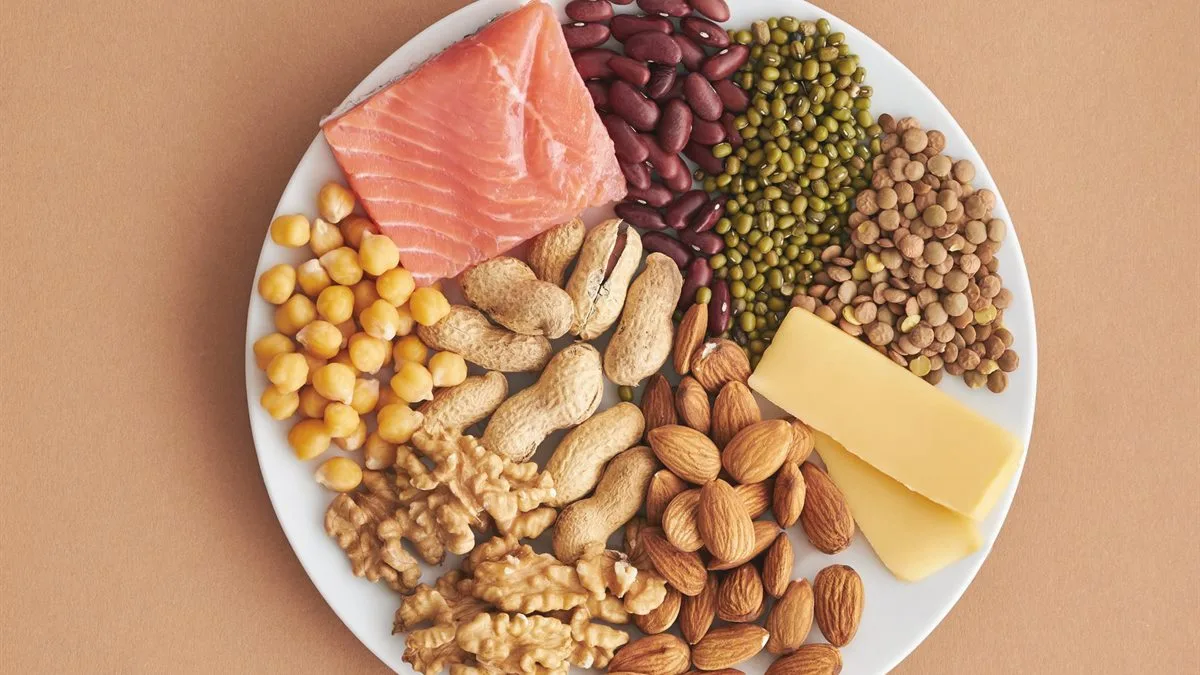
Extra virgin olive oil, walnuts, almonds, unsalted peanuts and oily fish such as sardines, mackerel and salmon all improve the cholesterol profile and support heart and vessel health. Grilled sardines, or sardines canned in oil, are a cheap and useful choice.
Fifth: Zinc
Zinc is needed to produce testosterone, and a severe deficiency can lower the hormone. It is found in lean red meat, liver, pumpkin seeds, legumes and shrimp. However, taking zinc supplements without a real deficiency does not strengthen erections, and high doses over a long period can be harmful.
To sum up the picture realistically:
| Food | Useful compound | Realistic effect |
|---|---|---|
| Arugula, spinach and beetroot | Nitrates | Support nitric oxide and vessel flexibility when eaten regularly |
| Berries, citrus and pomegranate | Flavonoids | Linked to a lower long-term risk of ED |
| Watermelon | Citrulline | Possible small effect, far less than medication |
| Nuts, olive oil and fish | Healthy fats and omega-3 | Protect the heart and arteries |
| Lean meat, pumpkin seeds and legumes | Zinc | Useful only when there is a deficiency |
The Mediterranean Diet: The Strongest Evidence
If there is real evidence linking food and erections, it concerns the whole eating pattern rather than any single food. Clinical trials, mostly small, have shown that men with obesity or metabolic syndrome who followed a Mediterranean diet, rich in vegetables, fruit, legumes, whole grains, nuts, olive oil and fish, had better erections than others, especially when it was combined with weight loss and exercise.
Traditional Egyptian and Middle Eastern cooking is already very close to this pattern: fava beans (ful) with olive oil, lentils, tahini, green salads and grilled fish. The problem is not the type of food but the portions, the frying, the white bread and the sugar.
Foods and Drinks That Hurt Erections
Some daily habits work against everything above, including:
- Too much sugar, sweets, soft drinks and sweetened juices, because they raise weight and blood sugar and damage blood vessels.
- Large amounts of processed meats such as luncheon meat, sausages and pastrami, which are linked to heart disease.
- Food fried in repeatedly reused oil, and fast food.
- Heavy drinking: a large amount of alcohol weakens erections at the time, and chronic heavy use damages nerves and hormones.
- Energy drinks: there is no evidence they strengthen erections, and drinking a lot of them means high sugar and caffeine, late nights and palpitations.
And do not forget that smoking cigarettes or a water pipe (shisha) is worse for erections than any food, because both directly damage the vessel lining.
What Is Just a Myth?
Many people believe there is a food that “works like Viagra” the same night, and this is not true. Neither watermelon, arugula, honey, onion nor oysters give an instant erection. What has been shown is a small, cumulative effect on vessel health with regular intake over weeks and months.
More dangerous than the myth are the products sold online and in some herbal shops as “royal honey” or “natural herbal blends”. The U.S. Food and Drug Administration has repeatedly warned that many of them are secretly mixed with sildenafil or tadalafil in unknown doses, which can be very dangerous for anyone taking nitrate medicines for the heart, because the combination can cause a severe drop in blood pressure. Read more in our article on herbs for erectile dysfunction.
Does Cucumber Help Erections?
Cucumber belongs to the same family as watermelon and contains a small amount of citrulline. It is useful because it hydrates the body, is low in calories and helps with weight loss when it replaces heavy food. But there is no scientific evidence that cucumber itself directly improves erections. It is a good part of a salad, not a treatment.
A Simple Weekly Eating Plan
This is a general plan for a healthy adult man, and it can be adjusted to your circumstances and health condition:
- Every day: a green salad with arugula, lettuce or spinach, plus tomato, cucumber and olive oil; two or three servings of fruit; and a small handful of unsalted nuts.
- Breakfast most days: fava beans with olive oil, cumin and lemon, or eggs, with whole-wheat bread instead of white bread.
- Fish twice a week: grilled sardines, mackerel or mullet instead of fried.
- Legumes two or three times a week: lentils, fava beans, white beans, or hummus with tahini.
- Red meat or liver once or twice a week in moderate portions, and grilled chicken instead of processed meats.
- Boiled beetroot, or beetroot in salad, two or three times a week.
- Dessert: seasonal fruit or a square of dark chocolate instead of daily syrupy pastries.
- Drinks: enough water, and less sweetened tea, soft drinks and energy drinks.
In summer, watermelon can be part of your fruit; in winter, oranges, tangerines and pomegranate. You will find the details in our articles on pomegranate and erections, onion and erections and honey and erections.
The effect of food is incomplete without movement: brisk walking for half an hour on most days of the week, plus pelvic floor exercises, adds real benefit, as we explain in exercises to strengthen erections.
Who Should Be Careful Before Changing Their Diet?
- Diabetic patients: fruit, honey and juices raise blood sugar, so whole fruit in measured portions is the better choice.
- Kidney patients: watermelon, pomegranate, spinach and nuts contain potassium or minerals that may need to be limited depending on the condition.
- People taking warfarin (a blood thinner): suddenly eating much more vitamin K-rich leafy greens can change how the medicine works; what matters is keeping intake steady and avoiding sudden changes.
- Heart patients taking nitrates: never take any “natural” erection product without asking your doctor.
If erectile dysfunction persists despite improving your diet and lifestyle, do not ignore it; consult Dr. Yasser Badran to find the cause and start the right treatment.
When Should You See a Doctor?
Healthy eating is an excellent step, but it is not a substitute for diagnosis in the following cases:
- Erectile dysfunction lasting more than several weeks.
- Complete absence of morning erections.
- Diabetes, high blood pressure, high cholesterol, heart disease or smoking.
- Low sexual desire with persistent fatigue.
- Chest pain or shortness of breath on exertion, which needs a heart assessment first.
Dr. Yasser Badran stresses that erectile dysfunction can be an early sign of an arterial problem, because the penile arteries are small and are affected before others, so getting checked may protect your heart as well.
Eating Healthy but Still Struggling With Erections?
Then you need an assessment to find the cause, and there are many effective options. Learn more about erectile dysfunction treatment.
Frequently Asked Questions
What food strengthens erections the fastest?
No food produces a fast erection like medicine does. The foods closest to being useful are leafy greens, beetroot and flavonoid-rich fruits, and their effect appears with regular intake over weeks and months, not on the same day.
Does cucumber help erections?
Cucumber is good for hydration, low in calories and contains a little citrulline, but there is no evidence that it directly strengthens erections. Its benefit is indirect if it helps you lose weight.
Does arugula really strengthen erections?
Arugula is rich in nitrates that support nitric oxide and vessel health, so it is useful as part of a healthy diet, but it is not an instant stimulant or a substitute for treatment.
Can healthy eating replace erectile dysfunction pills?
In mild cases linked to weight and lifestyle, changing diet and exercising may be enough for a noticeable improvement. Moderate and severe cases usually need treatment chosen by a doctor, while continuing to eat healthily.
How long does healthy eating take to affect erections?
There is no fixed time, but improving vessel health and weight usually takes several weeks to months of commitment, along with exercise and quitting smoking.
Do energy drinks improve erections?
There is no evidence for that. Drinking a lot of them means high sugar and caffeine, which can cause poor sleep, palpitations and a rise in blood pressure, none of which helps erections.
The Bottom Line
Foods that help erections do exist, but in the sense that they protect the arteries and support nitric oxide over time, not in the sense of magic pills. The real benefit comes from a complete eating pattern close to the Mediterranean diet, together with exercise, weight loss and quitting smoking. If erectile dysfunction continues despite all this, it is better to find and treat the cause than to try random blends. You can book an appointment with Prof. Dr. Yasser Badran.
Learn More About
- Watermelon and erections
- Pomegranate and erections
- Exercises to strengthen erections
- Erectile dysfunction treatment
Prof. Dr. Yasser Badran
Professor of Urology and Andrology Surgery at Al-Azhar University Faculty of Medicine, specializing in malleable and inflatable penile implants and erectile dysfunction treatment, with more than 20 years of experience.